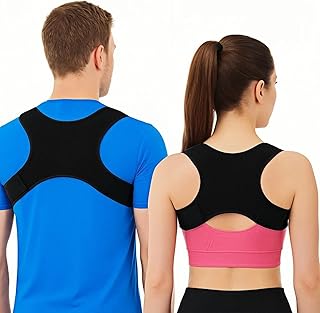
In today's digital age, where hours are spent hunched over computers and smartphones, poor posture has become a widespread issue leading to chronic pain and discomfort. A Posture Corrector is more than just a simple brace; it's a tool designed to retrain your muscles, provide support, and offer relief from the aches associated with slouching, hunchback, and spinal misalignment. This guide will help you understand the benefits and how to choose the right one for your lifestyle.
Understanding the Need for Posture Support
Chronic poor posture doesn't just affect your appearance; it can lead to serious health concerns. Slumped shoulders and a forward head position put excessive strain on the neck and upper back muscles, often resulting in tension headaches, shoulder pain, and reduced lung capacity. Over time, this can contribute to conditions like kyphosis (hunchback) or exacerbate scoliosis. Using a posture corrector provides gentle, consistent feedback to pull your shoulders back and align your spine, helping to reverse these harmful patterns. For a comprehensive look at fixing these issues, check out this detailed Posture Corrector Guide on fixing hunchback naturally.
Key Features to Look for in a Quality Posture Corrector
Not all braces are created equal. When shopping for a back brace or posture support device, several features are crucial for comfort and effectiveness.
Adjustability and Fit
An Adjustable Posture Brace is essential. Bodies are different, and a one-size-fits-all approach rarely works. Look for products with multiple adjustment points, like the HLOES Posture Corrector or the KNXWALT Posture Corrector, which allow you to customize the tightness and support level for your upper back and shoulders. This ensures the device is effective without being restrictive or causing chafing.
Material and Breathability
Since you'll likely be wearing it for several hours, the material must be breathable. Many modern correctors, such as the Upgraded Breathable Full Back Support brace, use lightweight mesh fabrics that allow air circulation, preventing sweat and discomfort. This makes them suitable for wear under clothing during daily activities.
Targeted Support and Pain Relief
Identify your primary area of discomfort. Some braces focus on the upper back and shoulders for shoulder pain relief, while others, often called full back braces, extend support to the lumbar region. The Kepwaa Posture Corrector offers comprehensive back support and is even FSA/HSA eligible, making it a practical health investment. For those specifically struggling with a rounded upper back, a device focused on hunchback correction is key.
Top Picks for Different Needs
Here’s a breakdown of some excellent options based on specific user requirements:
For Discreet Daily Wear: The Fit Geno Posture Corrector Invisilite is designed to be an invisible posture aid under clothes. Its lightweight, low-profile design provides support without bulk, making it ideal for office wear. You can read a full review of this invisible back brace for women here.
For Maximum Comfort and Adjustability: The UltraSupport+ Posture Corrector emphasizes being a comfortable posture aid. It often features padded straps and a wider support panel to distribute pressure evenly, which is crucial for all-day pain relief.
For Women Seeking Targeted Fit: Many braces are tailored for women's anatomy. The WNIEYO Back Brace Posture Corrector acts as a shoulder straightener and comes in sizes and colors like pink to suit personal preference. Discover if it's right for you in this WNIEYO Posture Corrector review.
How to Use a Posture Corrector Effectively
A posture corrector is a training aid, not a permanent crutch. Start by wearing it for 15-30 minutes a day, gradually increasing the duration as your muscles adapt. It should feel supportive but not painfully tight. Combine its use with strengthening exercises for your back and core muscles, as well as mindfulness about your sitting and standing habits. For a complete guide on usage and benefits, explore this Posture Corrector usage guide.
Making the Right Choice for Your Health
Choosing the right device depends on your specific pain points, lifestyle, and comfort needs. Whether you need an adjustable back straightener for scoliosis support, a simple upper back brace for neck pain relief, or a discreet solution for work, there is a product designed to help. Remember, the goal is posture improvement and lasting back pain relief. Investing in a quality posture correction tool is an investment in your long-term health & wellness. For more help comparing types and benefits, refer to the Ultimate Guide to Posture Correctors.